
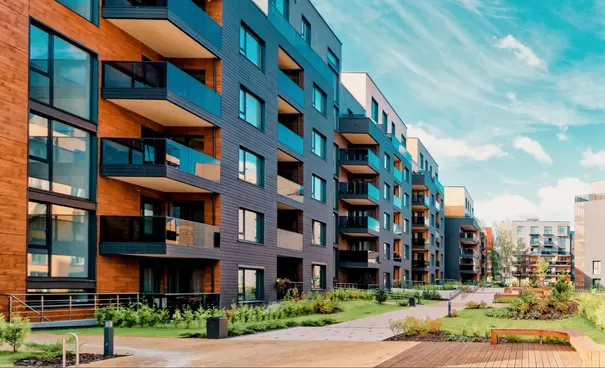


Sécurité des logements collectifs Les risques ne se limitent pas aux vols de colis, aux cambriolages de voitures, aux cambriolages organisés ou aux incidents nocturnes qui font la une des journaux.
Mais pourquoi les espaces résidentiels partagés sont-ils confrontés à de tels défis en matière de sécurité ?
Lorsque quelque chose ne va pas, cela semble souvent soudain, mais les signes avant-coureurs étaient là depuis le début.
Les portes sont bloquées. Les résidents retiennent les ascenseurs. Les livraisons s'accumulent dans les halls d'entrée. Les étrangers se fondent dans la masse et circulent librement sans être interrogés.
Comprendre l'origine de ces risques est la première étape pour y remédier. Dans ce blog, nous vous présentons les 5 principaux défis en matière de sécurité dans les immeubles résidentiels multifamiliaux.
De plus, nous associons la surveillance vidéo à distance avancée à un accès en temps réel, à une analyse comportementale et à une visibilité complète, ce qui rend la voie vers une meilleure sécurité claire et exploitable.
Défi #1 : Des personnes non autorisées se déplacent dans la propriété sans être remarquées :
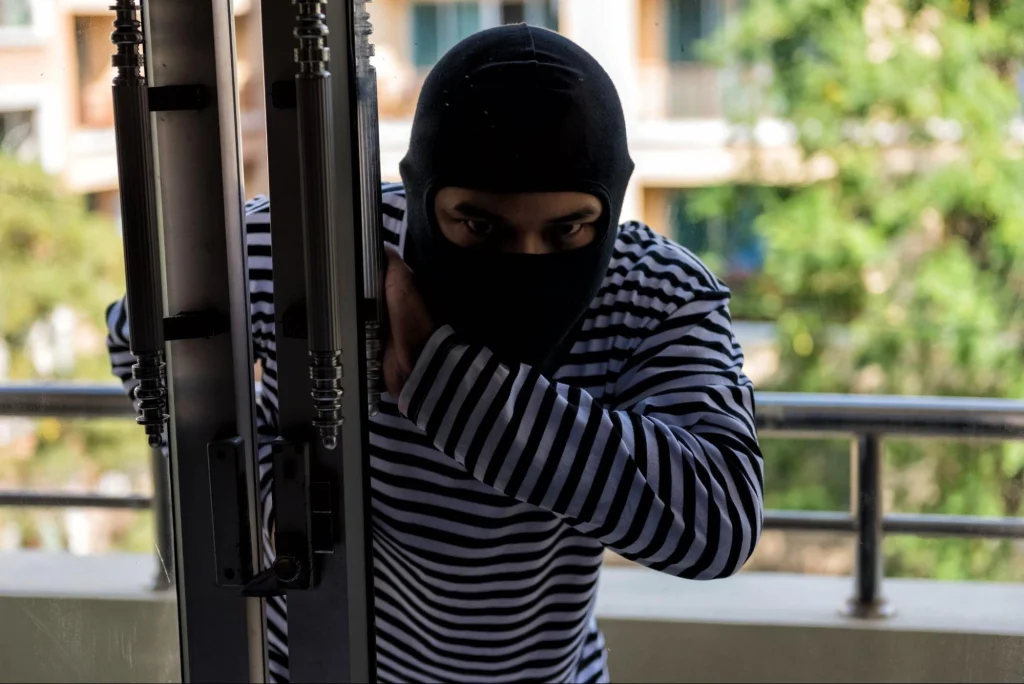
Conseil national de prévention de la criminalité les données confirment les appartements collectifs sont exposés à un risque de cambriolage 85% plus élevé que les maisons individuelles.
Pour quelle raison ?
Le problème, c'est que des personnes errent ici et là, sans que personne ne les remarque ou ne les interroge. Ils se fondent dans la masse comme des résidents, des visiteurs ou des livreurs.
Cela signifie qu'il est possible d'accéder sans autorisation à des résidences collectives et de se déplacer librement dans des zones telles que.. :
- Entrées principales et portes secondaires.
- Garages de stationnement et cages d'escalier.
- Couloirs et espaces communs.
- Salles de courrier et zones d'emballage.
“Une fois la première couche franchie, les copropriétaires n'ont souvent aucun moyen de contrôler où ils vont, ce à quoi ils ont accès ou la durée de leur séjour.”
Avec les la vidéo surveillance à distance, Avec ce système, vous surveillez toutes les personnes qui entrent et restent sur votre propriété 24 heures sur 24, 7 jours sur 7 et 365 jours par an.
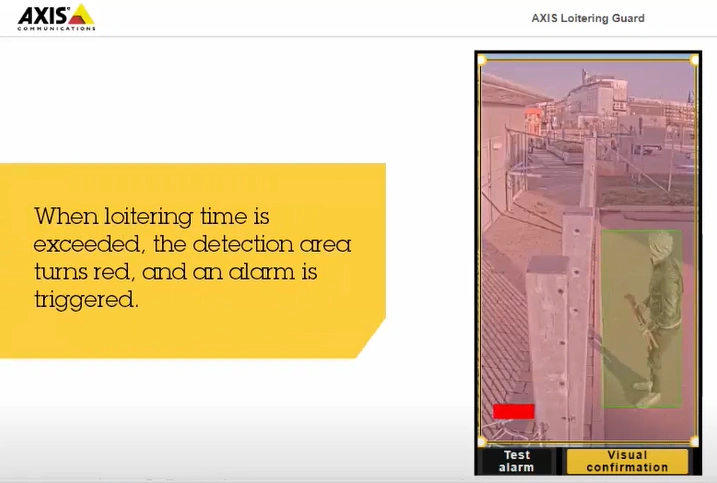
IA pour la détection du vagabondage fonctionne mieux lorsqu'il est utilisé uniquement dans des zones spécifiques et à certaines heures, comme la piscine, le garage ou la zone des bennes à ordures la nuit.
Des caméras de sécurité dotées d'IA repèrent les rôdeurs en détectant leur temps d'attente. Les personnes non autorisées qui s'attardent trop longtemps dans ces zones sont synonymes de problèmes.
Dès qu'ils sont détectés, des alertes sont déclenchées au centre de vidéosurveillance à distance. Des opérateurs vigilants émettent des avertissements vocaux en direct, évitant ainsi que la situation ne dégénère en vol ou en vandalisme.
Défi #2 : passer en queue de peloton par des portes sécurisées :
La plupart du temps, les voleurs ne s'introduisent pas dans les immeubles collectifs.
Ils entrent tout simplement.
C'est ce qui s'est passé lors d'une appartement de luxe dans le centre de Miamiun agresseur a suivi un résident à travers des portes sécurisées et a agressé un locataire à l'intérieur.
La même méthode a été utilisée à plusieurs reprises par Sherman Oaks, Encino et Van Nuys, où des équipes de cambrioleurs se sont attaquées à plusieurs copropriétés en se contentant de marcher derrière les résidents autorisés.
C'est queue de peloton! Il n'y a pas d'alarme, pas d'effraction, pas de résistance. Les crimes commencent souvent par quelque chose d'aussi simple qu'une porte entrebâillée.
Vous tapez sur votre télécommande, le portail s'ouvre et vous devez soudain choisir entre laisser un étranger vous suivre à l'intérieur ou risquer une confrontation gênante, parfois agressive. Les locataires se sentent mal à l'aise, craignent des représailles et sont frustrés de voir que les criminels peuvent simplement attendre près de la porte et entrer sans effort.
Savez-vous que certains syndics de copropriété répondent souvent par des règles telles que “attendre la fermeture du portail” ?
La solution pratique consiste à décharger entièrement les résidents de ce fardeau. Les caméras de sécurité IA intégrées à la surveillance vidéo à distance aux entrées principales et aux portes latérales peuvent détecter automatiquement et en temps réel les manœuvres de talonnage.
Comment détecter le tailgating ?
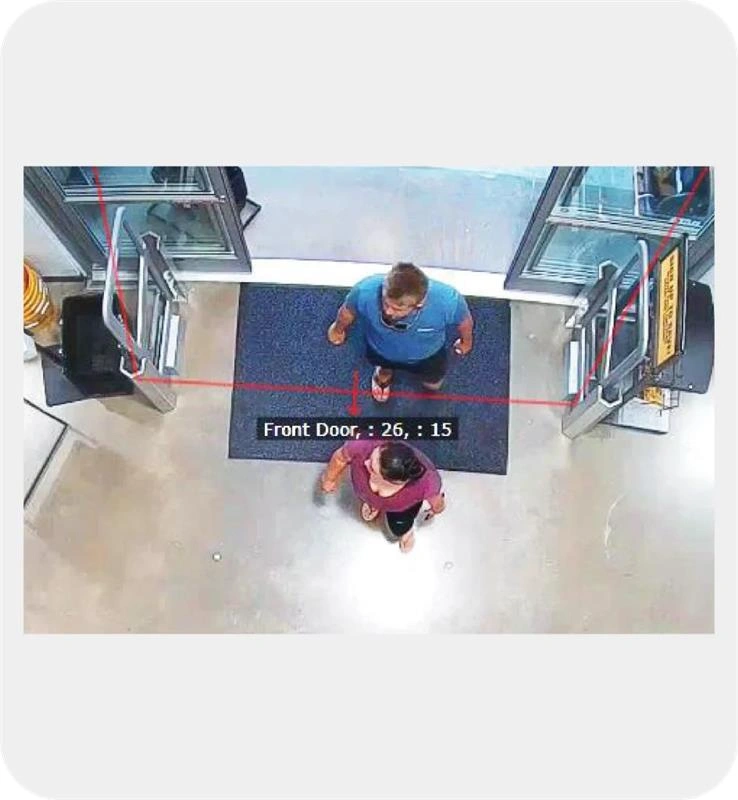
Vous commencez par déployer des caméras de sécurité IA aux entrées, garages, halls d'entrée et installations communes.
Dès qu'un résident s'authentifie auprès d'un porte-clés ou toute autre méthode d'accès, le système compte le nombre de personnes qui franchissent le seuil. Si plus d'une personne utilise une seule pièce d'identité, l'intelligence artificielle signale immédiatement le talonnage. Même dans les environnements les plus fréquentés !
Défi #3 : Tout le monde a accès à tous les lieux :
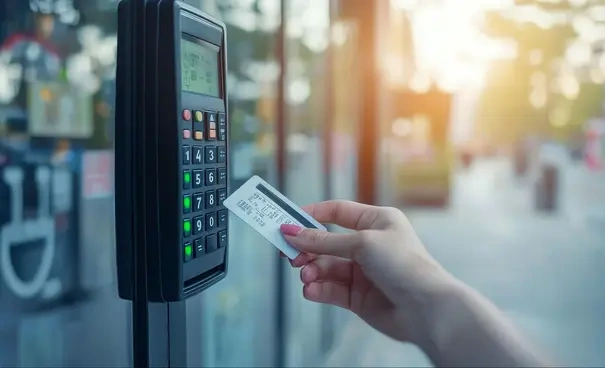
Les portails et les portes des salles de courrier, des gymnases, des piscines et des salons sont souvent bloqués en position ouverte. Parfois, elles sont trop lentes à fermer, ou quelqu'un les laisse ouvertes par courtoisie.
Les locataires se disputent souvent avec la direction de l'immeuble pour savoir s'ils sont autorisés à entrer dans l'immeuble. Les locataires s'épanchent sur les médias sociaux.
Ils disent craindre en permanence des représailles, du harcèlement ou des dommages à leur véhicule s'ils refusent l'entrée à d'autres personnes.
Quelle est la solution à ce taux de désabonnement élevé, à ces visiteurs fréquents et à ce trafic de livraison qui se fondent dans la propriété et la traversent sans difficulté ?
C'est simple : identifiez les points d'accès à haut risque dans votre immeuble. Le portail d'entrée n'est pas le seul à devoir être sécurisé ; nous parlons ici d'une sécurité par zones et par couches :
- Portails et portes latérales.
- Contrôle d'accès aux ascenseurs et au hall d'entrée.
- Garage de stationnement.
- Local à vélos.
- Salle des visiteurs et salle du courrier.
- Cages d'escalier.
Or, c'est dans ces zones que commencent le tailgating et la flânerie, qui conduisent au vol et à l'itinérance non autorisée.
Une fois que ces éléments sont cartographiés, vous pouvez facilement déterminer qui doit y avoir accès et à quel moment.

Contrôle d'accès à distance pour l'entrée :
Contrôle de barrières à distance utilise les caméras de vidéosurveillance (CCTV), et un interphone pour vérifier les visiteurs ou les livraisons par le biais d'une vidéo en direct ou d'un système audio bidirectionnel. Après vérification, les portes ou portails ne s'ouvrent que pour les visiteurs autorisés.
Options de contrôle d'accès pour les ascenseurs et les halls d'entrée :
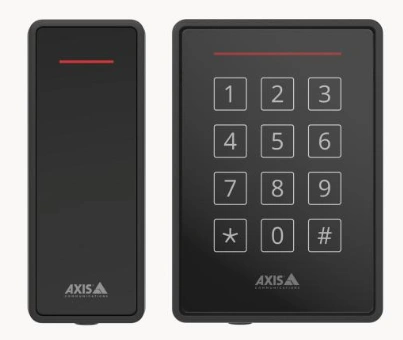
Pour les ascenseurs et les halls d'entrée, vous pouvez délivrer aux résidents une carte, un badge ou une carte téléphonique qui ne leur donne accès qu'à leur étage et aux zones communes.
Aux portes d'entrée et extérieures, des interphones vidéo permettent aux résidents de voir et d'approuver les invités sur leur téléphone, tandis que des lecteurs gérés dans le nuage sur toutes les portes fournissent un journal en direct et la possibilité de révoquer l'accès instantanément. Les alertes de contact de porte vous informent lorsque quelque chose est forcé ou ouvert.
Les meilleures solutions pour sécuriser les parkings et les locaux à vélos :
Dans les parkings et les locaux à vélos, vous pouvez vous passer des télécommandes génériques et utiliser les étiquettes RFID ou reconnaissance des plaques d'immatriculation des véhicules, L'accès aux portes piétonnes se fait à l'aide d'une télécommande ou d'un téléphone.
Les locaux à vélos et les entrepôts sont faciles à contrôler en n'autorisant l'accès qu'aux unités qui louent ou possèdent ces espaces.
Comment mettre en œuvre la gestion des visiteurs et le contrôle des livraisons :
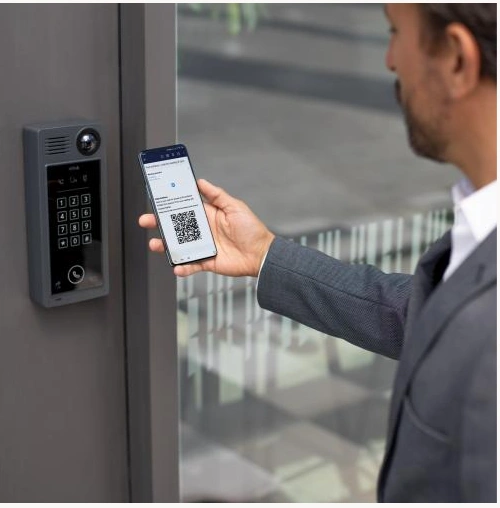
Un système basé sur le cloud facilite grandement la gestion de l'accès des visiteurs et des livraisons. Les visiteurs reçoivent un code QR ou un code PIN qui ne fonctionne que pour une durée déterminée et une porte ou un étage spécifique, et chaque entrée est enregistrée pour en rendre compte. Nous créons des profils d'entrepreneurs qui expirent automatiquement à la fin de la mission.
Les livraisons sont dirigées vers des salles de colis sécurisées ou des casiers intelligents, avec des codes d'accès uniques pour les transporteurs et des alertes instantanées pour les résidents afin que les colis ne restent pas inutilisés.
Comment répartir les niveaux d'accès pour les résidents et le personnel :
Enfin, le zonage de l'accès permet d'assurer la propreté et le contrôle de l'ensemble. Les résidents bénéficient d'un accès différencié en fonction de :
- Ce dont ils ont réellement besoin.
- Le personnel reçoit des autorisations larges mais appropriées.
- Les vendeurs n'ont qu'un accès temporaire aux zones exactes dont ils ont besoin.
Lorsque l'accès est attribué de cette manière, le bâtiment reste sécurisé sans que les résidents ne se sentent restreints, et vous bénéficiez d'une visibilité et d'un contrôle complets sans effort quotidien supplémentaire. Le cambriolage de l'immeuble de Riverdale prouve qu'une seule clé volée peut compromettre la sécurité de tout un immeuble. En tant que CBC En d'autres termes, un voleur s'empare d'un passe-partout en quelques secondes, vole une $5,000 et a déclenché une $40,000 le cauchemar de la recomposition des clés.
Avec les contrôle d'accès sans clé, Il n'y aurait pas eu de clé principale à voler. Les identifiants numériques peuvent être limités par zone, révoqués instantanément et entièrement enregistrés, ce qui évite qu'un seul vol ne compromette tout un bâtiment.
Défi #4 : Problèmes de sécurité dans les ascenseurs :

Les ascenseurs accélèrent l'entrée des personnes non autorisées. Une fois que quelqu'un s'est glissé dans le hall d'entrée, les boutons d'ascenseur non sécurisés lui permettent de monter à n'importe quel étage. Qu'il y ait sa place ou non.
Ou lorsque les ascenseurs sont constamment en panne, tout le monde passe par la même cabine. Le trafic augmente et la surveillance diminue. C'est précisément à ce moment-là que les étrangers se fondent dans la masse.
À cela s'ajoute le fait que de nombreux ascenseurs ne sont pas équipés de caméras à l'intérieur de la cabine. Les incidents tels que le harcèlement et le vol passent inaperçus jusqu'à ce que le mal soit fait.
En outre, plus de 100 000 unités ont été rappelés après qu'au moins un million d'euros aient été dépensés. au moins trois piégeages graves d'enfants incidents, dont un mortel, un enfant s'étant retrouvé coincé entre deux portes.
La solution consiste à traiter les ascenseurs comme des zones à accès contrôlé. La vidéosurveillance des ascenseurs spécialisée dans Conforme à la norme ASME A17.1/CSA B44 combine la vidéosurveillance en direct des ascenseurs avec des interphones à écran tactile pour une communication bidirectionnelle non verbale.
Défi #5 : La montée inexorable du vol de colis :
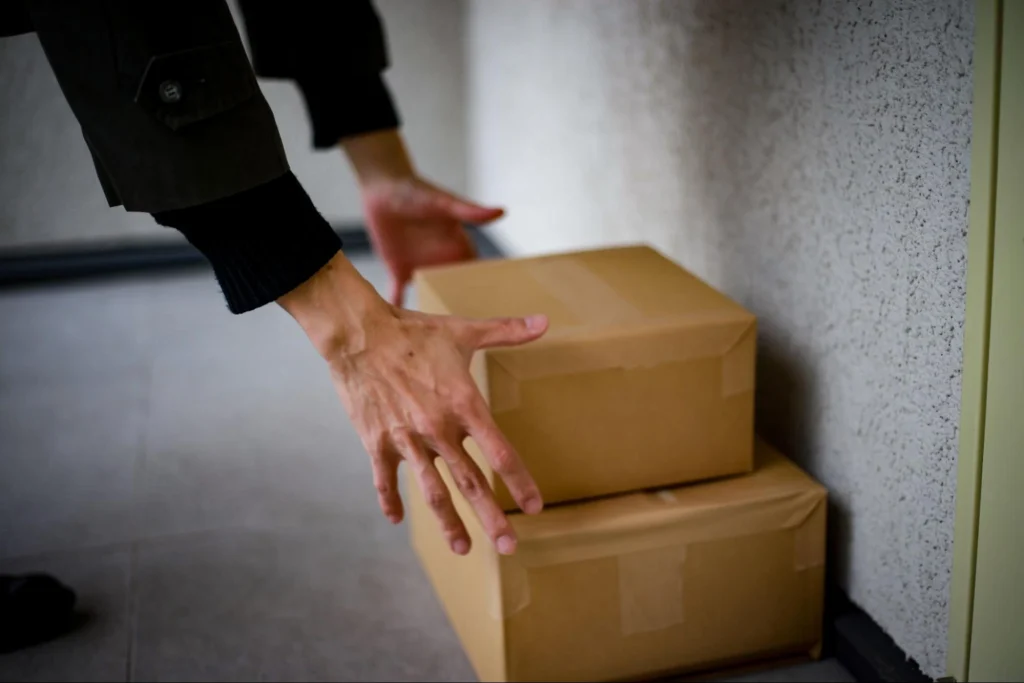
Vol de colis dans les copropriétés n'est pas un mystère. Les livraisons sont laissées dans les halls d'entrée, les couloirs ou les zones de courrier sans grande surveillance. Les voleurs s'en emparent et disparaissent.
C'est à cause de la facilité d'accès, des espaces partagés très fréquentés et des petits comportements quotidiens qui s'ajoutent aux grandes lacunes en matière de sécurité.
Les voleurs entrent par les portes du hall d'entrée, se font passer pour des coursiers ou empruntent les ascenseurs pour se rendre dans les couloirs où les colis restent sans surveillance pendant des heures.
Un taux de rotation élevé et des volumes de livraison importants permettent aux personnes extérieures de passer plus facilement inaperçues, en particulier le soir et pendant les vacances, lorsque le personnel se fait rare.
La solution consiste à boucler la boucle entre l'accès, la visibilité et la réponse.
Salles d'emballage contrôlées :
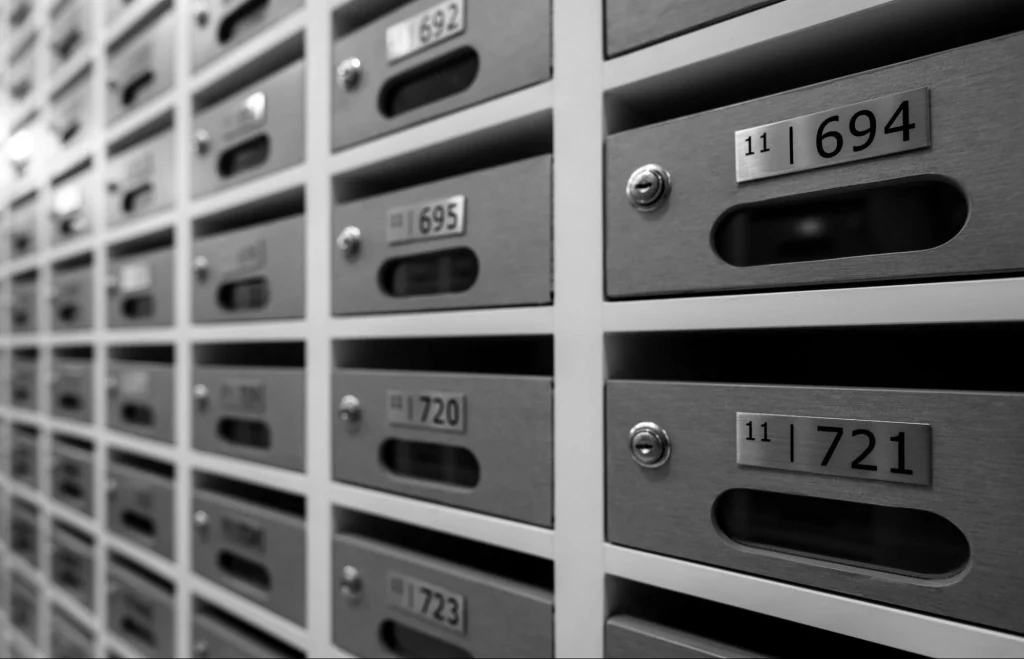
La gestion sécurisée des colis relève également de la responsabilité de l'administration de l'immeuble. Des salles de colis contrôlées, avec accès à une porte blindée ou à un code PIN, peuvent réduire le nombre de vols de colis.
Les casiers intelligents qui informent instantanément les résidents et la vidéosurveillance par IA qui détecte en temps réel la queue et le flânage changent l'équation.
Chaque incident doit faire l'objet d'une procédure claire : l'incident est enregistré, les images sont conservées et le rapport de police est étayé si nécessaire. C'est ainsi que vous conserverez vos locataires plus longtemps.
Lorsque toutes ces couches sont reliées, nous créons une chaîne continue de contrôle d'accès, et non une série de portes déconnectées, et nous arrêtons naturellement les mouvements non autorisés sans que les résidents n'aient à se confronter à qui que ce soit.
Questions fréquemment posées :
Quels sont les risques liés à la sécurité des multi-locataires ?
Les immeubles à plusieurs locataires présentent des risques de sécurité plus élevés en raison des entrées partagées, des visiteurs fréquents, des files d'attente et de la visibilité limitée des parties communes, qui augmentent la probabilité d'un accès non autorisé et d'un vol.
Quels sont les inconvénients des logements collectifs ?
Les principaux inconvénients des logements collectifs sont la réduction de l'intimité, l'augmentation du bruit, le partage des responsabilités en matière de sécurité et une plus grande exposition au vol ou au vandalisme dans les espaces communs.
Quelles sont les questions à poser lors de l'achat d'un immeuble collectif ?
Posez des questions clés sur la manière dont le bien immobilier contrôle l'accès, surveille les parties communes, gère les paquets et les visiteurs, documente les incidents de sécurité et y répond.
Les immeubles collectifs sont-ils considérés comme résidentiels ou commerciaux ?
Lorsqu'ils sont utilisés pour le logement, nous considérons les immeubles multifamiliaux comme résidentiels, mais nous les classons généralement dans la catégorie des biens immobiliers commerciaux pour des raisons de propriété, de financement, d'assurance et de planification de la sécurité.
Les principaux éléments à prendre en compte pour relever les défis concrets en matière de sécurité auxquels sont confrontées les résidences collectives :
La plupart des sécurité des immeubles collectifs Les problèmes liés à l'alcoolisme et à la toxicomanie suivent le même schéma. La queue de peloton ouvre la porte, et une fois que quelqu'un est à l'intérieur, il n'y a pas de limites réelles à ce qu'il peut faire. Les ascenseurs déplacent les risques verticalement, permettant à des étrangers d'accéder rapidement à des étages privés, tandis que des caméras passives surveillent tout après coup au lieu de l'arrêter.
Les vols de colis se multiplient dans les halls d'entrée ouverts et les zones de courrier non sécurisées, et les clés ou les porte-clés partagés transforment de petites erreurs en défaillances à l'échelle du bâtiment. La véritable protection commence lorsque nous délimitons l'accès, surveillons l'activité en temps réel et intervenons avant que les incidents ne s'aggravent.
Contactez-nous dès aujourd'hui pour obtenir une solution de sécurité personnalisée pour votre entreprise.


