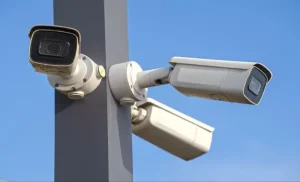
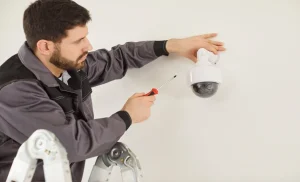
Late-night thieves, employees letting outsiders slip in, alarms going off when no one’s on site. This isn’t one isolated scrap yard. It’s the norm across metal recycling facilities in the U.S.
But here’s the part that’s hard to believe: an industry generating $117 billion in economic value every year still struggles to invest in adequate security.
Because the truth is, most scrap yards don’t know what to invest in. And we’re not talking about hiring guards or putting up a few CCTV cameras.
In this blog, we break down exactly why scrap yards need a proactive security system, one that prevents theft, stops vandalism, reduces ignition risks, protects workers, and keeps your operation compliant.
Why do you need remote video monitoring for your scrap yard?
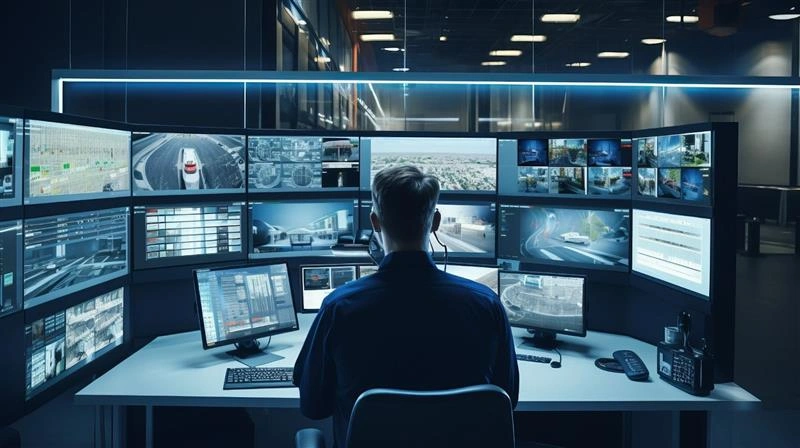
IBIS says the USA has over 500 scrap metal yards that process 150 million tons of scrap metal each year! Once metal is stolen from these yards, it’s easy to sell it off on the black market. So, now you can imagine why thieves love the scrap recycling industry.
You need a security system that catches trouble before it becomes your problem. Loiterers at the fence, intruders looking for copper, a spark turning into smoke, a worker stepping into a danger zone without safety gear.
You cannot be everywhere at once, and you should not have to be. A qualified remote monitoring team can take over these moments, announce warnings, de-escalate threats, and dispatch help while you focus on running your other yards.
If you want real visibility, real protection, and absolute peace of mind, remote video monitoring is built for you.
What are the biggest scrap yard security issues?
Rising theft and after-hours intrusions:
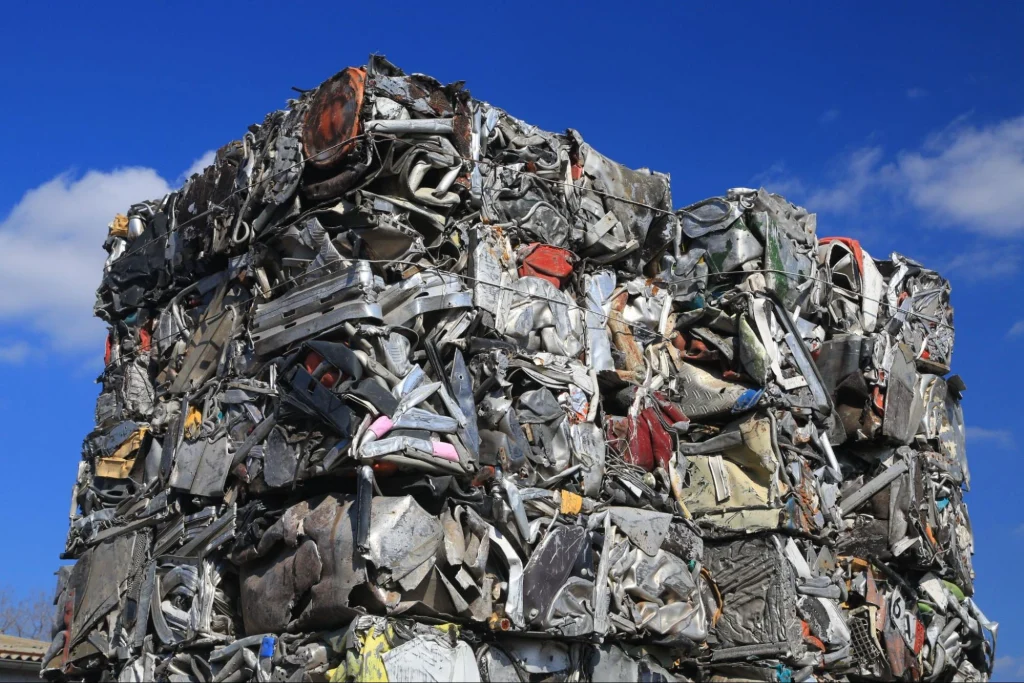
Scrap yard thieves are experts at weakening the perimeter fences. They use bolt cutters or power tools to breach chain-link fencing or cut locks on gates and storage containers.
They cut holes in fences and then sneak in after hours to access high-value metal piles, including copper, aluminum, catalytic converters, and batteries.
Criminals disguise themselves as scrap seller. They drive into the yard, pretend to drop off material, and then steal high-value metals or equipment. Sometimes, internal employees also act as lookouts or facilitate a getaway drive.
Blind spot and poor yard visibility:
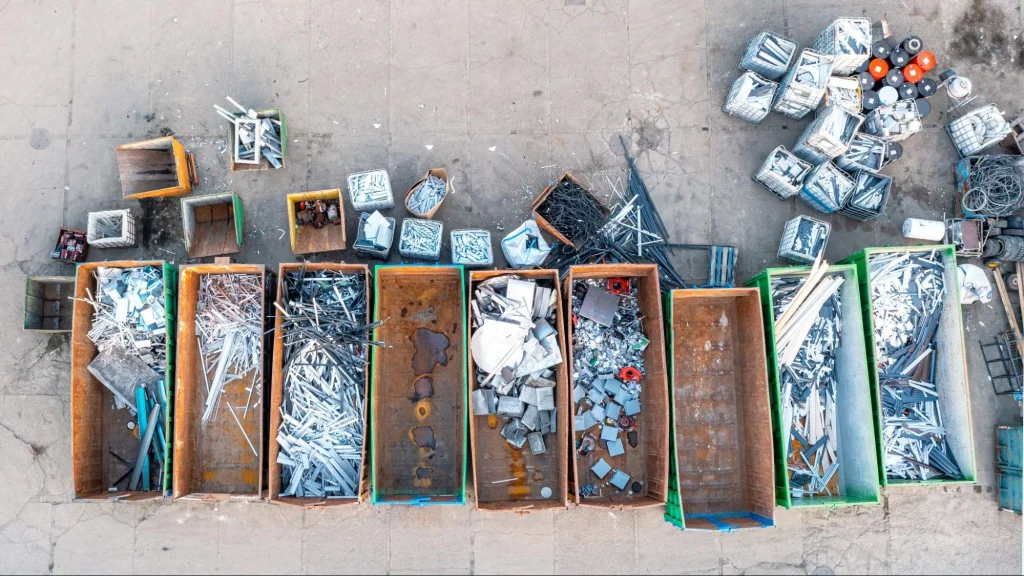
Scrap yards have large open spaces filled with trucks, cranes, and gigantic containers stuffed with metal. These vast piles of metal, such as car bodies, engine blocks, and even mixed steel before sorting and stripping, can create small hiding places for intruders.
Thieves sneak into these dark corners and wait for the after-hours to load materials into pickup trucks. Scrap yards are situated in remote areas, and people living in nearby alleys often loiter around them. Over time, they weaken sections of the fence in small, unnoticed ways and break in when they see an opportunity.
Too many false alarms and no verified events:
Let’s face it: poor lighting and outdated CCTV cameras give you grainy, blurry, or distorted images just when you need them the most! You can’t trust them. They often get triggered by wind, animals, and even moving scrap. This means constant alarm blaring and nuisance alerts wasting hours and hours.
But what happens when there is a real intrusion? The workers just don’t bother with the alarms, and that leads to missed intrusions.
Cameras failing in harsh yard conditions:
Dust, sparks, weather, and equipment movement damage standard cameras, and no one goes about fixing those dusty, broken cameras.
Scrap yards require weather-rated hardware, tamper detection, low-light imaging, and rugged, field-serviceable units that hold up on site.
No after-hours safety:
Believe it or not, vehicles back up to the yard gate after hours. They sit there for hours waiting for an employee to leave, then tailgate in before the gate fully closes.
Off-hours employees or contractors enter the yard without authorization to remove materials not logged in inventory.
When the yard is closed, the cameras are too. Incidents go unseen, whether it’s trespassing, fires, dumping, or unauthorized employees entering restricted zones.
Old CCTV systems that don’t integrate:
Many yards run outdated DVRs or a mix of analog and IP cameras, making remote access unreliable. They need a cloud-based platform that’s hardware-agnostic, ONVIF-compliant, and supports retrofit deployments without ripping out their existing system.
No real-time intervention when a threat occurs:
Most systems only record video and cannot stop a breach in progress. Scrap yards need immediate intervention, live talk-down, and an active monitoring team that can verify events and trigger dispatch within seconds.
Security costs are too high with low ROI:
Guard services, patrols, and legacy CCTV systems cost more than the losses they prevent. Scrap yard operators want a turnkey solution with predictable monthly costs, remote monitoring, and measurable loss prevention.

A practical option for scrap metal recycling security:
Businesses across North America are turning to Remote Video Monitoring as a comprehensive security solution for their scrap yards.
Truth be told, security guards are just not enough! A single guard cannot see behind piles, inside dark corners, or across a ten-acre yard at night. Guards cannot detect heat signatures inside metal piles. They cannot document every incident. They cannot prevent organized theft crews.
Remote monitoring scales instantly. It sees 100% of the yard at all times, responds in seconds, documents everything, and never gets tired.
How remote video monitoring secures your scrap yard?
- Quick detection of smoke before it erupts.
- No need to change your existing yard equipment.
- You stay compliant with legal requirements and insurance expectations.
- You get verified responses even in poor lighting and bad weather.
- You gain access to quick evidence.
- Real-time intervention when a threat occurs.
- Minimum false alarms.
- Saves money but increases your ROI.
- Helps keep your workers safe.
- Can reduce liability.
1. Quick detection of smoke before it erupts:
Remote monitoring reduces fire risk by identifying ignition conditions before flames appear. Scrap yards have seen many casualties due to hidden hazards such as lithium batteries, fuel residues, gas cylinders, oily rags, and self-heating metal piles.
Thermal cameras identify heat spikes in piles, gas buildup around tanks, and unusual chemical reactions. AI can flag smoking objects, sparks, forklift speeding, unsafe lifting, blocked safety zones, and people entering restricted areas.
Live operators validate alerts by intervening directly. They issue audio warnings. If necessary, the responsible person is contacted ASAP, and the equipment is shut down remotely when possible. When the situation requires it, responders are dispatched to the site as per the pre-established SOPs.
2. No need to change your existing yard equipment:
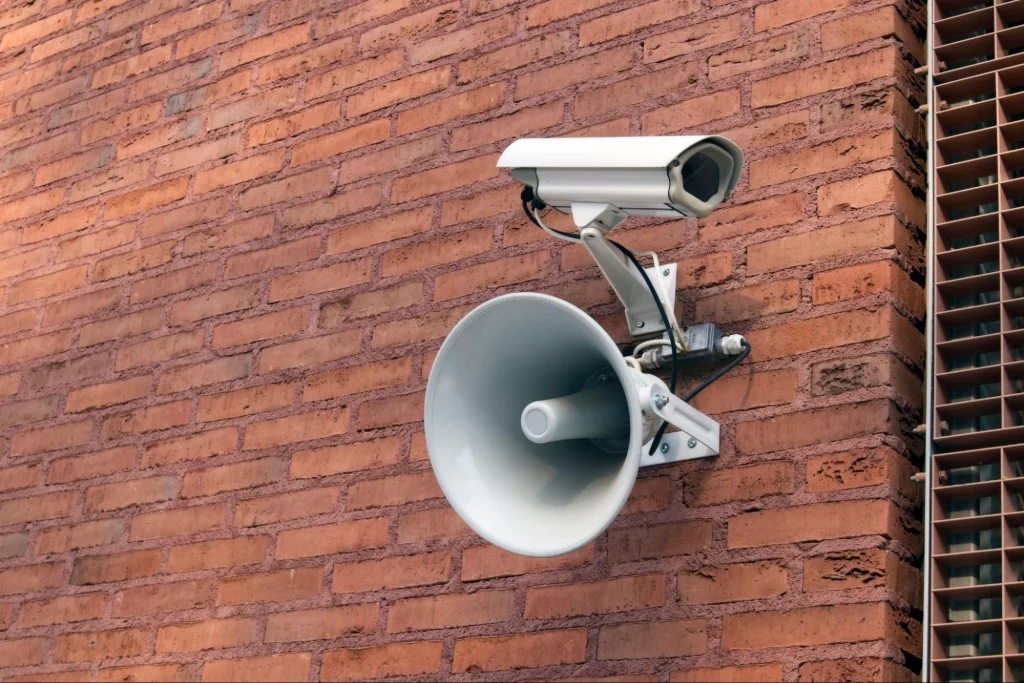
Modern monitoring systems integrate cleanly with loaders, balers, shredders, scales, and gate systems.
Solutions include hookups with access control for automated entry and exit. You can also integrate your CCTV system with machine telemetry to trigger alerts when equipment overheats or is misused. The live video can be synced with transaction data, so every load is verified.
No need to rip and replace. Remote monitoring sits on top of what you already use and multiplies its value.
3. You stay compliant with legal requirements and insurance expectations:

Insurance providers increasingly expect continuous remote monitoring for yards that process ELVs, batteries, or metals with flammable contaminants.
Judges and inspectors rely on verifiable video evidence during incident reviews. Remote video monitoring helps you comply with regulatory requirements.
4. You get verified responses even in poor lighting and bad weather:
You get verified responses even in poor lighting, bad weather, or when the yard is at its messiest. Every alert is backed by time-stamped video, so nothing is left to guesswork.
With proper camera placement, remote monitoring becomes a force multiplier. Thermal sensors see through darkness and glare.
Analytics read through dust clouds, wind, and flying sparks; and auto-tracking PTZ and IP cameras lock onto movement across huge open spaces like scrap yards.
These systems survive rain, snow, extreme cold, and direct sun. The environment is challenging, but your monitoring setup is more arduous. If you want to know precisely where to position cameras for maximum coverage and zero blind spots, we have a full library of must-read blogs that walk you through it.
- Security camera placement guidelines: Where to place them.
- Maximizing dome camera coverage: Tips and best practices.
5. You gain quick access to evidence:
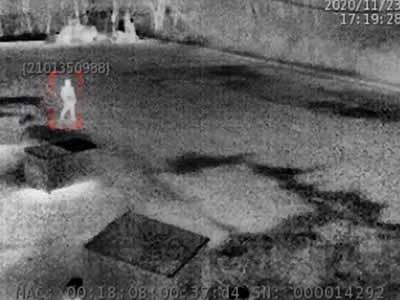
As soon as the alarm is triggered, the remote operators access the live video feed. They take control of the entire situation. And everyone who entered, from where they entered, where did it begin, and what happened next. Everything is recorded.
You get high-resolution, crystal-clear videos of the entire theft or vandalism. Clear images and audio are essential for understanding context. High-resolution footage, even the most minor details, enhances both relevance and credibility.
For example :
- The thermal camera detects a heat signature creeping along the far fence line even before he touches it.
- The thermal sensor detects elevated heat from a scrap pile or malfunctioning equipment. The system alerts remote operators, who initiate local response (fire department, on-site team) before the fire spreads.
The interesting part is that this is admissible in court. This footage can be used to support police reports, insurance claims, and even as courtroom evidence in theft or vandalism cases.
6. Real-time intervention when a threat occurs:
You can’t save your yard from theft or fire if you have put up CCTV cameras and you will review them later! On the flip side, remote operators can intervene in real time when the crime is being committed.
The second the intruder touches your perimeter fence with a wrench, or climbs stacked scrap to slip over a dark corner, or pushes open a weakened gate panel, the long-range camera flags the heat signature.
The remote operators are on the scene, accessing the live situation from every angle; they have a clear idea of how many there are, from where, how, and precisely what they are trying to do.
7. Minimum false alarms:
AI reduces false alarms in surveillance systems by training them to understand contextual cues such as time of day, zone activity, and object classification.
Modern analytics compare movement, heat signatures, object shape, and behavior over time. So swaying branches, wild animals, or shadows are filtered out.
8. Saves money but increases your ROI:
Think about it. One on-site guard can cost over ten thousand dollars a month, while a single theft or shutdown can cost another five to twenty thousand.
With remote video monitoring, you do not need on-site security staff; unauthorized people cannot enter, and you are reducing downtime from incidents.
All of this would directly increase your ROI.
Technology like predictive monitoring can pay for itself within the first year by avoiding downtime, and the operational efficiency gained from automation often delivers payback periods of just 12-24 months.
9. Can help keep workers safe:
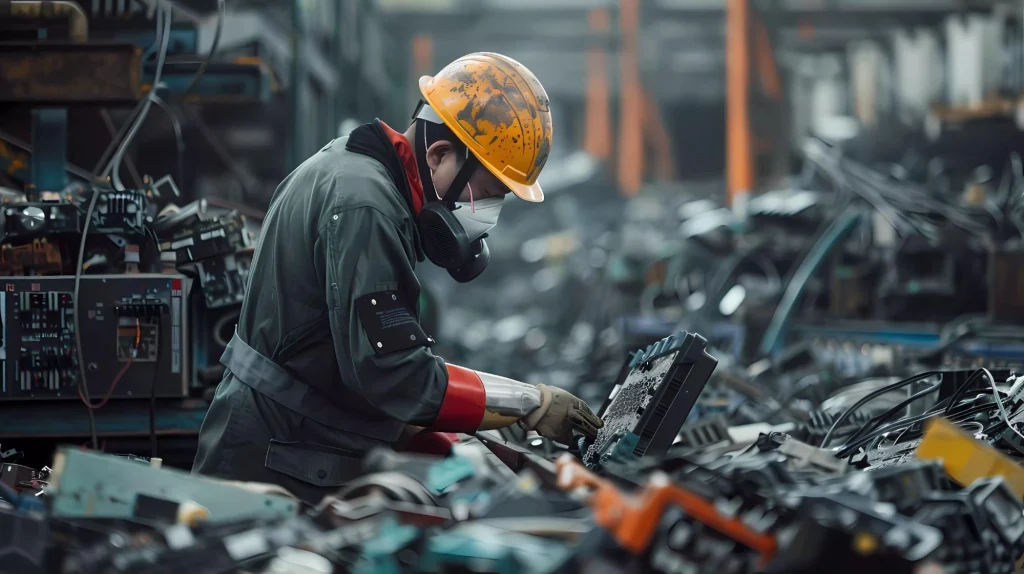
Remote video monitoring also gives you complete control over employees’ safety. You can confirm that workers are following OSHA safety rules and wearing the proper PPE. If a slip and fall happens, or if a fight breaks out in a crowded section of the yard, you see it immediately.
AI security cameras help you go even further. They pick up early signs of violence, spot weapons, and flag employees who might be helping move scrap out the back door. Behaviour-based detection exposes the patterns that lead to theft.
10. Can reduce liability and insurance premiums:
During low-light hours, AI analytics detect a worker present in a restricted zone without proper PPE or entering a heavy-machinery path. The system flags the behaviour, sends a live alert, and logs the footage for safety review.
Is remote video monitoring really effective for scrap yards?
Yes, remote video monitoring is highly effective in scrap yards, whether it’s sorting, separation, solidification, or even transportation!
If you think installing AI security cameras can scare off thieves, you are highly mistaken.
You need a 24/7 security system that not only detects but also tracks. This around-the-clock monitoring and intervention gives you evidence.
Relying on random patrols rather than remote video monitoring creates critical coverage gaps, exposing sites to avoidable risk.
That is why you need human oversight on top of the AI. Live operators verify every alert and make sure nothing slips past. Proper calibration keeps the system tuned to your yard’s layout, traffic flow, and risk points.
How to implement live video surveillance in your scrap yard?
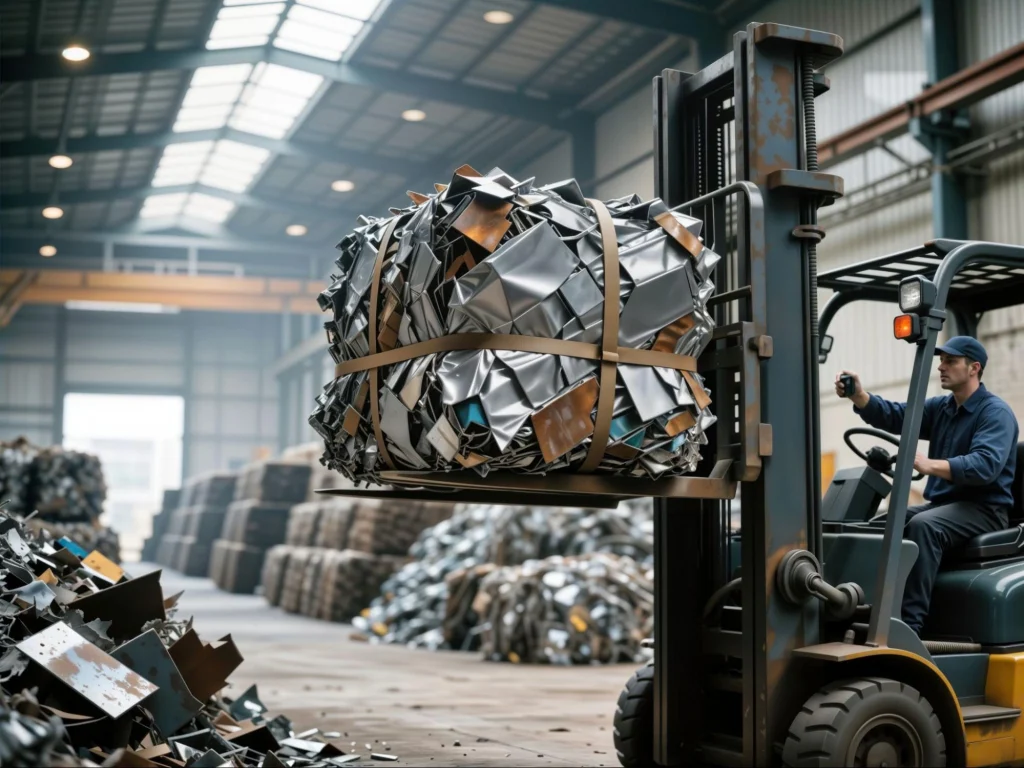
Start by integrating your existing CCTV cameras with Remote Video Monitoring by connecting to a remote security command center. You could even apply Cloud AI solutions for enhanced detection.
The system easily connects to loaders, access gates, and weigh scales without disrupting operations.
You need constant surveillance throughout the various phases of truck unloading, massive claw cranes moving it across the yard, and even inside the factory, where electric furnaces melt metal.
Thermal cameras scan for rising temperatures, sparks, or fluid leaks that could trigger a fire. LPR cameras trigger an alarm if an unauthorized vehicle enters the yard.
Monitoring teams watch for equipment malfunctions, flame irregularities, or unsafe proximity of workers to molten steel.
Remote monitoring supports operational control by detecting slip hazards, blocked exits, or machinery hazards around moving parts.
When billets are rolled into rebars, cut, cooled, arranged, counted, and bundled, cameras ensure accurate material handling, prevent theft of finished product, and document all activity for liability protection.
Across the entire process, remote monitoring enhances visibility and accelerates emergency responses
Frequently asked questions on why scrap yards need remote video monitoring:
1. Why do scrap yards need remote video monitoring?
Scrap yards deal with high-value metals, after-hours trespassing, ignition hazards, equipment movement, and blind spots. Remote monitoring provides real-time detection, active intervention, and recorded evidence to reduce theft, liability, and safety risks.
2. Can cameras really detect intruders in total darkness?
Yes. Modern thermal and low-light AI cameras detect heat signatures, human movement, and vehicle activity even in pitch-black conditions, fog, dust, or rain. Old CCTV cannot do this.
3. What makes remote monitoring better than on-site security guards?
Remote operators respond instantly, never miss a zone, and use thermal and AI analytics to detect intruders hundreds of feet away. It costs less than guards and provides video proof, audio intervention, and automated dispatch.
4. How fast does the monitoring team respond?
Within seconds. Once AI triggers an alert, operators access the live feed immediately, assess the threat, and talk down trespassers or dispatch responders if needed.
5. What types of cameras work best in a scrap yard?
- Thermal cameras for fence lines and dark zones.
- PTZ cameras for tracking intruders across large areas.
- Fixed AI cameras for gates, drop-off lanes, and buildings.
- License plate cameras for vehicle accountability.
Conclusion:
Scrap yards operate in one of the most unpredictable, high-risk environments in the industrial world. Remote video monitoring solves the problems that guards, outdated CCTV, and reactive security simply cannot.
It detects intruders before they strike, spots smoke before a fire erupts, and protects workers from hazards that appear in seconds.
It verifies every event with time-stamped video, reduces false alarms, preserves compliance, strengthens insurance claims, and saves thousands each month in losses and downtime.
Add more intelligent analytics, thermal detection, real-time intervention, and seamless integration with your existing equipment, and you get a system that works around the clock without blind spots.
These ten reasons make one thing clear: if you want a safer yard, fewer losses, and a better return on every security dollar, remote video monitoring is not optional. It is the new standard for every modern scrap yard.
Contact us today for a customized security solution for your business.