
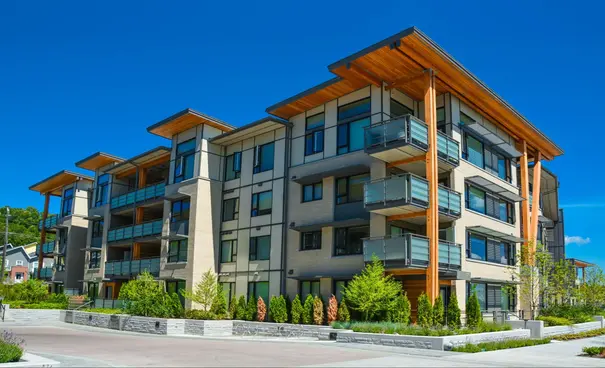


Security gaps in apartment buildings mean more than just package theft and broken mailboxes.
Apartment buildings are being targeted faster and smarter than ever. Criminals do not smash windows or kick down doors. They tailgate residents, prop open side entrances, loiter, and blend in long enough to find what they came for. The result is stolen property, nervous tenants, and insurance claims.
Most of these incidents are not caused by bad neighborhoods or bad luck. They are caused by simple security oversights that property managers miss, and residents pay for.
This guide outlines 8 practical ways to reduce crime in apartment buildings in 2026 and explains how to implement them before vulnerabilities become incidents.
1. Strengthen building access control:
Enhancing apartment building security is all about tight control over who gets in, who shouldn’t have been there, who stayed when they should have been removed, and who operated unnoticed because no one was watching closely enough.
Here are a few tried and tested apartment building access control tips:
Secure all entry points first:
Traditional keys get copied, lost, and passed around. You have no idea who has access or when they enter. You need to shift to electronic systems. Replace shared metal keys with RFID fobs, PIN codes, or mobile phone credentials.
These can’t be duplicated at a hardware store. They can be deactivated instantly when a tenant moves out or reports one lost.

Tailgating by vehicles and individuals is one of the biggest ongoing security challenges in apartment buildings. A car follows closely behind a resident through the garage gate.
A person slips in behind someone at the lobby door. It happens fast and often goes unnoticed until there is a problem.
Remote video monitoring changes that.
AI detects when two vehicles enter using a single authorized credential, or when multiple people pass through a door after a single access event. The system links video with access control data to identify mismatches in real time. Trained operators can issue a live voice warning, notify property management, or dispatch security if needed.
Instead of discovering tailgating after an incident, you stop it as it happens. That proactive response is what keeps a small breach from becoming a major liability.
Centralized access control:
Next, integrate elevators, amenity rooms (gym, pool), bike storage, and laundry areas into a single system so that outsiders can’t wander freely once inside. Program elevators to require credentials for floors above the lobby, so that visitors do not reach residential levels unchecked.
Control access to package rooms:

Package rooms are one of the most targeted areas in any apartment building. Without control, they quickly become easy targets for theft.
Secure mail and packages in locked rooms or parcel lockers instead of open lobbies and hallways. You can limit entry to residents only through key fobs, mobile credentials, or access codes tied to specific units.
When every single entry is logged and time-stamped, then only you can create accountability and reduce anonymous access.
2. Improve surveillance and monitoring:
Apartment security upgrades deliver serious ROI without breaking the bank: $50 door reinforcements and $200 smart locks create immediate impact, with AI cameras as your next step. Surveillance is the best security solution for apartment safety.
Intrusion, violence, package theft, and even crowd formation all start with loiterers and wanderers around your property. Even shootings at apartment complexes now make headlines almost daily across the country. Auburn, DeKalb County, Columbia.
You need to monitor every nook and corner of your apartment building. So does it mean placing dozens of surveillance cameras? Not at all!
A PTZ or AI camera may provide the high-quality coverage you need. PTZ cameras rotate and zoom to track movement, covering multiple angles from a single position.
AI cameras intelligently detect people, vehicles, and suspicious behavior, reducing false alarms and focusing on real threats. Both options lower installation costs and simplify monitoring without sacrificing security.
3. Layer on 24/7 Remote Video Monitoring:

Once access points are secured, the next step is visibility. Add live AI powered video monitoring across entrances, hallways, lobbies, and parking areas to detect anyone who slips through or attempts to bypass controls.
Every alert should trigger action, not just a recording:
Loiterers near doors. Unauthorized vehicles in garages. Someone is lingering outside a unit after hours. AI flags the behavior in real time, and trained remote operators respond immediately. Through on-site speakers, they can issue live voice warnings to stop the behavior. If the threat continues, they dispatch security or law enforcement without delay.
Where exactly do you need surveillance in apartment buildings?
Entrance and exit monitoring:
Uncontrolled access is where most problems begin.
Tailgating through lobby doors. Vehicles slipping through garage gates. Someone propping a service door open “just for a minute.” Criminals watch who leaves for work and when they come home.
In residential buildings, the entrance is not just a door. It is the control point.
Smart surveillance changes that. When cameras are tied to access control and intercom systems, every entry is logged and visually verified. If two people enter on one credential, the system flags it. If a door is forced or left open too long, monitoring is alerted in real time. High-resolution video captures faces, clothing, and vehicles, helping identify repeat offenders before incidents escalate.
Hallway and lobby monitoring:
Hallways are not just corridors. They are pressure points.
Arguments spill out of units. Someone lingers outside a door. A person tests multiple handles. Burglars quietly move through apartment buildings and place transparent stickers on tenants’ keyholes and door frames. If it remains untouched they know that the residents are likely away.

Without visibility, small warning signs go unnoticed.
Continuous coverage of hallways, lobbies, stairwells, and elevators closes that gap. AI can detect loitering near units or elevator banks. Sudden aggressive movements or someone collapsing can trigger immediate alerts for a welfare check. Tampering with cameras or fire safety hardware is flagged in real time.
It is not about watching everyone. It is about responding before a situation turns serious.
Common areas and amenities:
Gyms, lounges, rooftops, and laundry rooms are high-traffic areas where belongings are left unattended. Mailrooms are prime targets for package theft.
Firstly, you can lock rooms and parcel lockers. AI-configured camera views can detect after-hours access, unusual crowding, and suspicious movement patterns in real time. Focused views on parcel areas help identify repeat package removals. In gyms and pool areas, fall detection or distress analytics can trigger a faster response than waiting for someone to report it.
The result is safer shared spaces without needing on-site staff.
Parking garage monitoring:
Garages are high-value targets.
Vehicle break ins. Catalytic converter theft. Stalking in stairwells. Cars slipping through gates behind authorized vehicles. EV chargers and kiosks vandalized overnight.
Dark spaces create opportunity.
License plate recognition at entrances and exits logs every vehicle. Overhead cameras reduce blind spots and track suspect paths from entry to exit. AI can flag someone moving between multiple cars or lingering during restricted hours. When video is linked to gate access data, piggybacking and forced openings are easier to detect in real time.
Visibility inside a garage is not optional. It is protection for residents and their property.
Continuous monitoring for apartment buildings:
Over half of burglaries occur in the afternoon. Some burglars specifically target the 12:30 to 2:30 p.m. period because no one is home for lunch and school is still in session. Buildings are empty. Residents are at work. Kids are at school.
But passive cameras miss crucial high risk events. The propped door at 10 a.m. The tailgater at 7 p.m. The storage break-in at midnight. All missed.
Continuous monitoring deters crime, not just records it. Every door gets watched. Every unusual pattern gets flagged 24/7. Criminals can’t find gaps. The goal isn’t recording the break-in. It’s making your building too risky to target.
Calgary condo intrusion stopped in seconds:
At a Calgary condo, AI detected 2 individuals trying to break in the front door.
An alert was triggered. The live operator assessed the situation and quickly intervened with a voice warning.
The suspects fled immediately. Continuous remote video monitoring turned a potential break in into a prevented event.
4. Upgrade lighting in apartment buildings:
When we talk about apartment building perimeter security, we mean maintaining bright, even lighting across parking lots, walkways, entry paths.
Motion-activated LED floodlights.
High bay LED canopy lights.

Strong, even lighting removes hiding spots and deters vehicle break ins and robberies. A full cutoff design reduces glare, improving camera clarity and supporting accurate license plate recognition.
High-bay LED canopy lights rated at 100 to 200 watts provide consistent illumination across parking aisles and spaces, delivering roughly 5 to 10 foot-candles. Motion sensor pole lights activate along pedestrian paths leading to elevators and stairwells, ensuring visibility where residents walk most often.
For best coverage and protection against tampering, fixtures should be mounted at 7 to 10 feet.
Recessed LED strip lighting:
The hallways, stairwells, and elevators can be illuminated with recessed LED strip lighting rated at up to 50 watts, keeping these areas well-lit. In multifamily buildings where residents, guests, and delivery drivers move through shared corridors, these motion-activated lights respond instantly when someone enters.
LED area flood lights:
LED area flood lights rated between 50 and 100 watts provide even coverage across gyms, pools, lounges, and rooftop spaces.

5. Crime prevention through environmental design:
Apartment security improvement strategies don’t have to break the bank; they can be as simple as trimming the tiny shrubs to clear sightlines.
Apply CPTED principles: low shrubs, limbed‑up trees, clear sightlines to doors and paths, and no hidden corners where someone can hide.
You decide where someone is allowed to go and where they are not. Use bollards to guide people through intended routes and subtly mark public vs private spaces.
Provide bike rooms or racks in controlled areas and promote the use of sturdy locks and registration.
6. Reduce vandalism and nuisance activity:

Set clear signs for no loitering, smoking, and alcohol use in shared spaces. Post visible signage and follow through consistently.
Vandalism spreads when a property looks ignored. Quick graffiti removal and fast repairs send a clear message that the building is actively managed and monitored.
A clean property discourages repeat offenders and protects resident confidence. Overflowing dumpsters are also a sign that the condo is negligent.

Dumpster tracking AI system places QR codes to track fill levels, detects overflow conditions, and alerts teams before waste spills into surrounding areas.
Instead of reacting to complaints, management can schedule pickups at the right time, prevent sanitation issues, and keep the property clean, controlled, and professional.
7. Involve residents and build community:
Create an Apartment Watch program or small safety committee with clear, simple reporting channels. Make it easy for residents to share concerns through a portal, email, or messaging group. The easier it is to report something, the faster small issues get addressed.
Send occasional safety reminders through email, resident apps, or WhatsApp groups. Reinforce basics like locking doors, not allowing tailgating at gates, and reporting suspicious activity. Short, consistent messages build awareness without overwhelming people.
Partner with local police or community officers for periodic walkthroughs and crime prevention talks. Their presence increases visibility, builds trust, and shows residents that safety is taken seriously.
When residents feel involved, they become an extra layer of awareness. Community engagement turns a building from a collection of units into a shared responsibility for safety.
8. Improve tenant‑level security behaviors:
Even the best security system can be weakened by everyday habits.
Start with the basics. Encourage residents to lock unit doors and windows at all times, even when they are home. Remind them to use a peephole, a camera, or an intercom before opening the door. A simple pause prevents avoidable risks.
Reinforce a strict no tailgating culture. Controlled doors exist for a reason. Residents should never hold them open for strangers or delivery drivers without proper verification. One polite refusal can stop unauthorized access to the entire building.
Promote practical personal safety habits. Park near well lit areas. Walk with others at night when possible. Report broken lights, damaged locks, or malfunctioning gates immediately. Quick reporting closes gaps before they are exploited.
When residents adopt stronger security habits, the entire apartment community becomes harder to target. Technology protects the building. Behavior protects the people inside it.
Frequently asked questions:
What are the most effective ways to reduce crime?
The most effective way to reduce crime in an apartment building is a layered approach: controlled access, proactive video surveillance, good lighting, and clear rules consistently enforced with resident cooperation.
How can communities work together to reduce crime?
Communities in an apartment setting reduce crime most when management, residents, and local police share information, support watch‑style initiatives, and back them up with visible security tech and clear reporting channels.
How to prevent crimes in the neighborhood?
To prevent crime in and around an apartment neighborhood, focus on securing shared spaces (entrances, garages, mailrooms), encouraging neighbors to look out for each other, and promptly addressing disorders like broken lights or vandalism.
Conclusion:
Crime in apartment buildings is preventable.
When you combine strong access control, smart surveillance, 24/7 remote monitoring, proper lighting, CPTED design, fast maintenance, resident involvement, and strategic upgrades, you remove the easy opportunities that criminals look for. You shift from reacting to incidents to stopping them early.
Apartment security in 2026 is not about adding more cameras. It is about closing small gaps before they become expensive problems.
Secure the entrances. Light the dark corners. Monitor proactively. Enforce the rules. Involve residents.
Do that consistently, and your building becomes harder to target, safer to live in, and more valuable over time.
Contact us today for a customized security solution for your building.


